

When the sun sets over Milan, the city doesn’t sleep - it transforms. By 9 p.m., the streets of Brera and Navigli come alive with laughter, clinking glasses, and the hum of bass from hidden clubs. This isn’t just a party scene; it’s a cultural ritual. Milanese nightlife isn’t about wilding out until dawn - it’s about savoring the moment, moving through neighborhoods like chapters in a novel, and letting the rhythm of the city guide you.
The Aperitivo Ritual: Where Nightlife Begins
Don’t skip the aperitivo. It’s not just a drink - it’s the foundation of Milan’s night. Between 6 p.m. and 9 p.m., locals flood bars for their pre-dinner ritual: a cocktail, usually a Spritz or Negroni, paired with a spread of snacks that rivals a full meal. At Bar Basso, where the Americano was invented, you’ll pay €12 but get a buffet of hot crostini, mini lasagna, and even fried zucchini flowers. At Il Gatto Nero in Brera, the aperitivo includes fresh mozzarella, cured meats, and seasonal salads. This isn’t a gimmick - it’s tradition. And it’s the smartest way to start your night: full, fueled, and ready to explore.
Brera: The Bohemian Heartbeat
Brera feels like a secret only locals know. Narrow cobblestone streets, ivy-covered buildings, and art galleries that close by 7 p.m. give way to intimate wine bars and jazz lounges after dark. Le Jour is a tiny, candlelit spot where you’ll find Milan’s creatives sipping natural wines and debating philosophy over charcuterie. Bar del Fico offers craft cocktails made with local herbs and bitter liqueurs - no neon signs, no loud music, just quiet elegance. If you’re looking for something more lively, Bar Basso still buzzes past midnight with a mix of artists, fashion insiders, and curious tourists. This is where Milan’s soul lives - thoughtful, stylish, and never loud for the sake of it.
Navigli: Canals, Cocktails, and Street Vibes
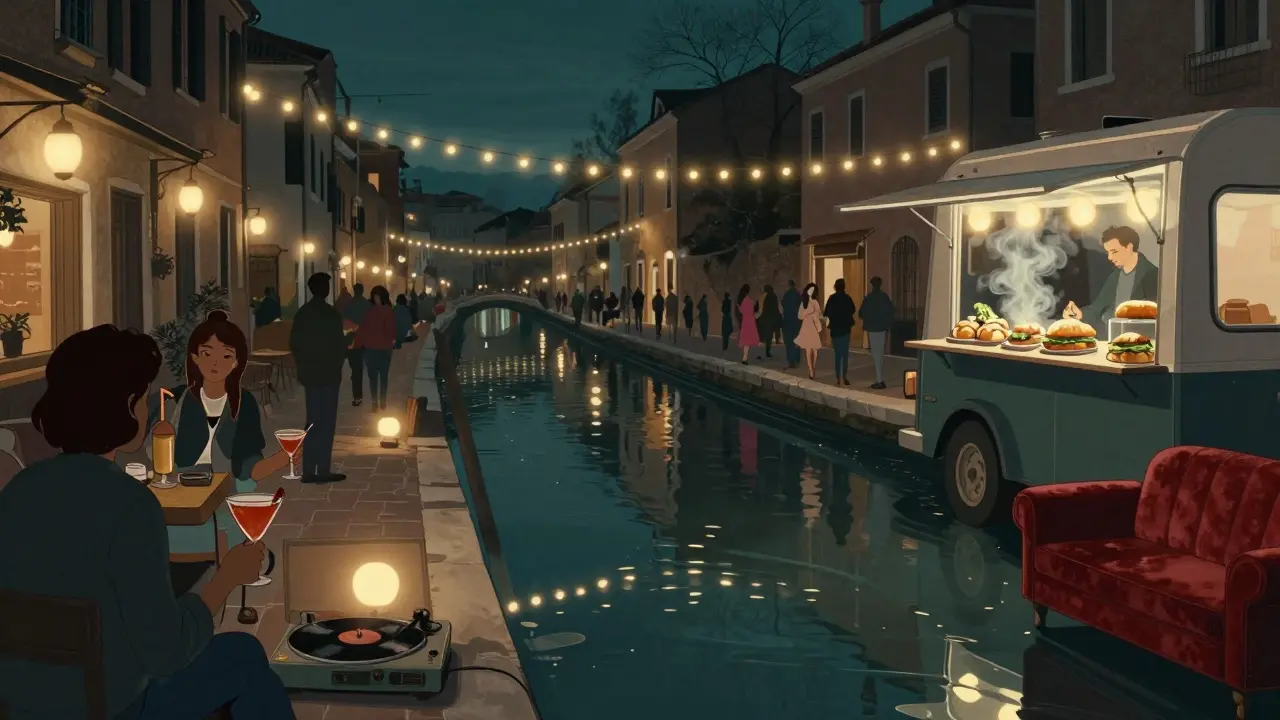
By 10 p.m., Navigli becomes the city’s most colorful open-air party. The canals glow under string lights, and every bar spills onto the sidewalk. Bar Luce on the Naviglio Grande is a must - a retro-chic spot with vinyl spinning and cocktails named after Italian films. La Zanzara is where the crowd thins out after midnight and the music turns electronic. Locals say the real magic happens after 2 a.m., when the last few bars become impromptu dance floors. Don’t miss the food trucks along the canal - try the arancini or a truffle sandwich from Trattoria da Baffo. Navigli is where tourists feel like locals, and locals feel like they’ve escaped the city’s pressure.
Porta Venezia: The Underground Scene
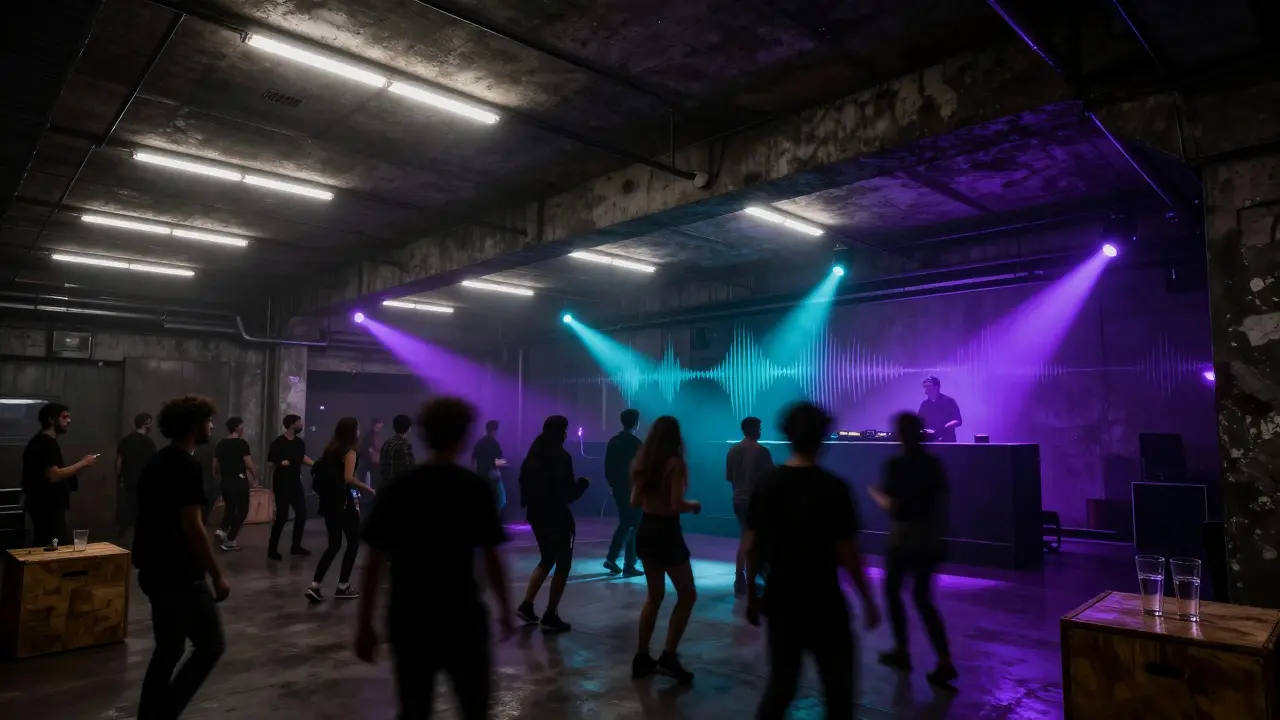
If you’re tired of polished bars and want something raw, head to Porta Venezia. This neighborhood is Milan’s answer to Berlin’s techno scene. Magazzini Generali is a converted warehouse with industrial lighting, concrete floors, and DJs playing underground house and techno until 5 a.m. Entry is €10, and the crowd is mixed - students, designers, expats, and older Milanese who still know how to move. Bar Basso isn’t here - but Bar del Teatro is, a tiny hole-in-the-wall with a back room that turns into a jazz basement after 11 p.m. This is where you’ll hear live saxophone over a glass of Lambrusco and feel like you’ve stumbled into a hidden world.
Corso Como: Glamour with a Side of Exclusivity
Corso Como is where Milan’s elite unwind. It’s not a club - it’s a lifestyle. The Corso Como 10 complex houses a design store, a restaurant, and a members-only club that opens to the public on weekends. The vibe is minimalist chic: white leather sofas, dim lighting, and a playlist that blends Italian disco with deep house. You won’t find bottle service here - just perfectly poured gin tonics and a crowd that doesn’t need to prove anything. Dress well. No sneakers. No hoodies. This isn’t about being rich - it’s about being refined. If you’re invited, go. If not, sit at the outdoor terrace of Bar Basso across the street and watch the scene unfold.
Where to Dance: Clubs That Actually Matter
Milan’s club scene is selective. You won’t find 10,000-person mega-clubs like in Ibiza. Instead, you’ll find intimate, high-quality spaces that book international DJs and care about sound systems. La Scala (not the opera house - the club) is a 200-capacity basement under a 19th-century building. It’s open Friday and Saturday, and the line starts at 11 p.m. Magazzini Generali is the bigger option - bigger crowd, bigger sound, bigger reputation. Blu in the Porta Romana area is a cult favorite for techno purists. No social media posts allowed inside - just music, sweat, and silence between tracks. Tickets sell out fast. Book ahead, even if you’re just planning to show up.
When to Go: Timing Is Everything
Milan doesn’t rush. Dinner starts at 9 p.m. Aperitivo ends at 9:30. Bars fill up after 10. Clubs don’t really get going until 12:30 a.m. And the real party? That’s after 2 a.m. If you show up at midnight looking for a wild night, you’ll be disappointed. But if you pace yourself - aperitivo, dinner, stroll, then club - you’ll experience Milan the way locals do. Sunday nights are quiet. Monday is for recovery. Tuesday through Saturday is the real window. And Friday? That’s when the whole city exhales.
What to Wear: Milan Doesn’t Tolerate Casual
Forget jeans and a t-shirt. Milanese nightlife has a dress code - even the underground spots. For Brera and Navigli, think tailored trousers, a linen shirt, or a sleek dress. For Corso Como and the clubs, it’s darker tones, leather jackets, or minimalist heels. No baseball caps. No flip-flops. No visible logos. The rule of thumb: if you’d wear it to a gallery opening, you’re good. If you’re unsure, lean toward elegance. Milan doesn’t punish you for being too dressed up - it punishes you for being too casual.
Getting Around: Skip the Taxi
Most nightlife districts are within 15 minutes of each other on foot or by metro. The M2 (green line) runs from Centrale to Porta Venezia. The M3 (yellow line) connects Cadorna to Porta Romana. Night buses (N1-N5) run until 3 a.m., but they’re slow. If you’re heading to Navigli from Brera, walk - it’s 20 minutes through the city’s most beautiful streets. Taxis are expensive and often unavailable after midnight. Uber is unreliable. Grab a bike from the city’s free e-scooter app - it’s cheap, fast, and fun.
Final Tip: Don’t Chase the Crowd
The best nights in Milan aren’t the ones you post about. They’re the ones you stumble into - a quiet bar with a jazz trio you didn’t know existed, a hidden courtyard where someone’s playing vinyl, a 3 a.m. gelato from Gelateria del Teatro after the club closes. Don’t follow Instagram influencers. Ask a bartender where they go after their shift. Listen to the locals. Milan’s nightlife isn’t a checklist. It’s a feeling. And the best way to find it? Just keep walking.
What time do bars and clubs open in Milan?
Bars start serving aperitivo around 6 p.m., but the real nightlife begins after 9 p.m. Most clubs don’t fill up until 12:30 a.m. and stay open until 3 a.m. or later, especially on weekends.
Is Milan nightlife safe for tourists?
Yes, Milan’s nightlife areas are generally safe, especially in Brera, Navigli, and Corso Como. Stick to well-lit streets, avoid isolated alleys after 2 a.m., and keep an eye on your belongings in crowded spots. Like any big city, petty theft can happen - but violent crime is rare.
Do I need to book tables or tickets in advance?
For aperitivo spots, no - walk-ins are fine. But for popular clubs like La Scala or Magazzini Generali, booking ahead is smart. Some bars in Navigli take reservations for groups over four. Always check their Instagram or website the day before.
What’s the average cost for a night out in Milan?
Aperitivo costs €10-€15 with food. Cocktails are €12-€16. Club entry is €10-€20. Dinner runs €25-€50. A full night - including drinks, food, and club - will set you back €60-€100. It’s pricier than Rome or Bologna, but the quality justifies it.
Are there any nightlife areas to avoid?
Avoid the area around Milano Centrale station after midnight - it’s touristy and sketchy. Also, steer clear of empty side streets in Lambrate or Porta Garibaldi late at night. Stick to the main nightlife zones: Brera, Navigli, Porta Venezia, and Corso Como. They’re well-patrolled and full of people.