
Paris isn’t just about croissants and the Eiffel Tower. By 10 p.m., when the city lights up and the air gets warmer, something else takes over-rhythms from Cuba, Puerto Rico, and Colombia pulse through hidden courtyards and basement clubs. If you’ve ever wanted to dance salsa under Parisian streetlamps, or feel the energy of a live Latin band in a packed room with strangers who become friends by midnight, you’re in the right place. This isn’t about tourist traps or overpriced cocktail bars with fake maracas. This is where real dancers go, where the music doesn’t stop until the last person leaves, sweaty and smiling.
La Clandestine
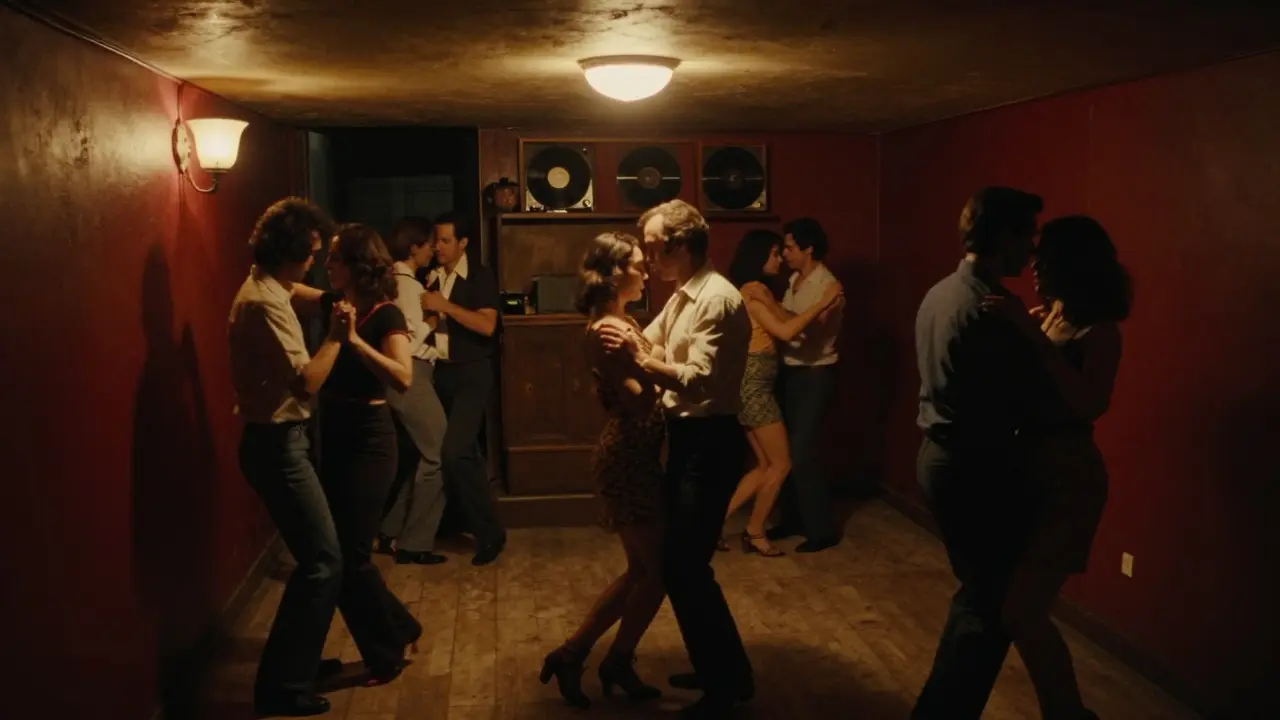
Hidden behind an unmarked door in the 11th arrondissement, La Clandestine feels like a secret you weren’t supposed to find. The entrance is easy to miss-just a narrow stairway down from a quiet street near Place de la République. Inside, the walls are painted deep red, the ceiling is low, and the dance floor is small but perfectly sticky with sweat and rhythm. The DJ spins nothing but vintage Cuban son, Colombian cumbia, and Puerto Rican salsa dura. No electronic remixes. No pop covers. Just raw, live-feeling tracks from the 70s and 80s.
There’s no cover charge before 11 p.m., but you’ll need to arrive early if you want a seat. The crowd? Mostly locals-teachers, chefs, students-who’ve been coming here for years. Tourists who find it usually come back. The instructors run free beginner lessons every Tuesday and Thursday at 8:30 p.m. No experience needed. Just show up, wear shoes that don’t slide, and don’t be afraid to step on toes. Everyone does it the first time.
Le Sucre
Le Sucre is where Paris meets the Caribbean. Tucked under the tracks of the Gare de Lyon, this venue started as a warehouse party spot and became the city’s most trusted Latin hub. The sound system is custom-built for bass-heavy rhythms, and the lighting shifts from warm amber to electric purple depending on the tempo. On weekends, they host live bands-sometimes from Colombia, sometimes from the Dominican Republic-who play until 3 a.m.
The dance floor here is bigger than most clubs in Paris, and it’s never empty. Even at 1 a.m., you’ll see couples spinning, groups forming circles for improvisational steps, and older dancers who’ve been doing this since the 90s still leading with precision. The bar serves rum cocktails made with real cane sugar, and the staff never rush you. If you’re new, ask for Maria. She’s been teaching here since 2012 and will pair you with someone who matches your level.
They don’t do themed nights. No “Tropical Tuesday” or “Salsa Sunday.” Just pure, unfiltered Latin music seven nights a week. The vibe is casual, but the dancing? Serious. You’ll learn more here in one night than in three weeks at a studio.
La Belle Équipe
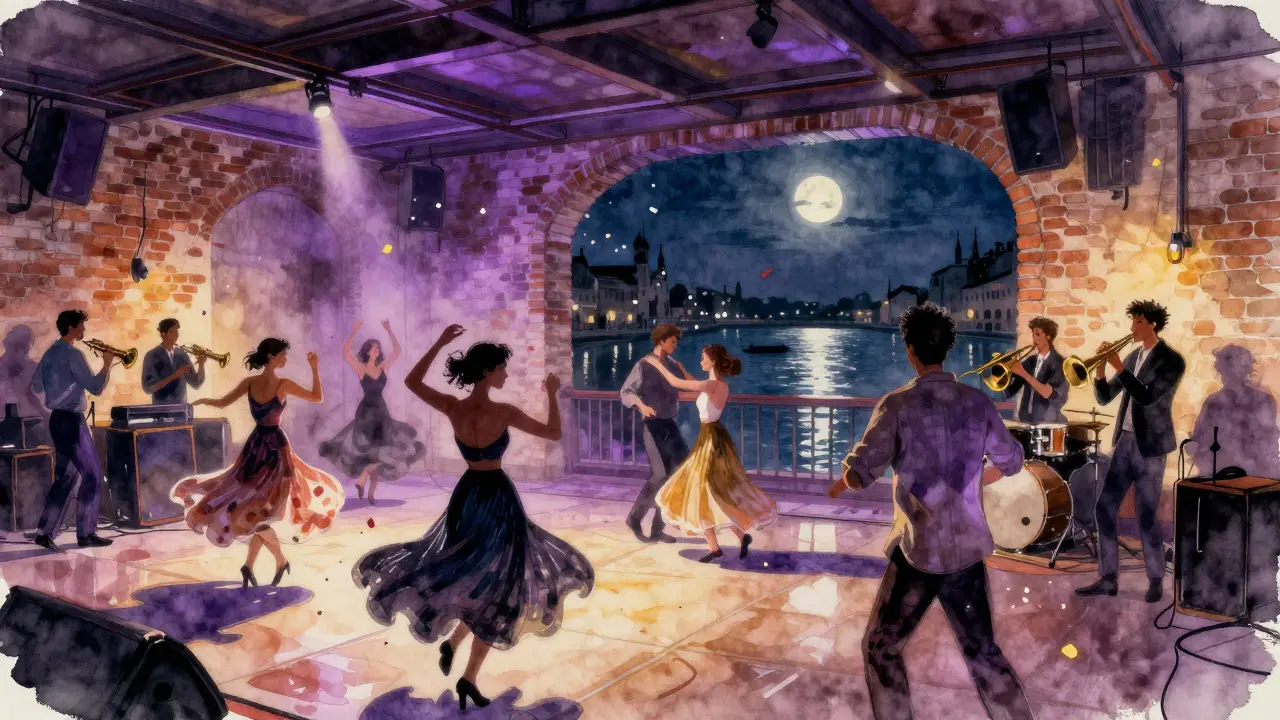
Don’t let the name fool you-La Belle Équipe isn’t a cozy bar. It’s a full-blown Latin dance hall with a rooftop terrace that overlooks the Canal Saint-Martin. The building used to be a 19th-century textile factory, and the high ceilings and exposed brick still echo with every clave beat. On Friday and Saturday nights, they bring in touring salsa orchestras from New York, Miami, and Caracas.
The crowd here is mixed-expats, French students, retirees who moved to Paris for the culture. You’ll see women in long skirts and men in linen shirts, all moving in sync. The instructors offer a 30-minute warm-up class before the main dance starts at 9 p.m. It’s included in the €10 cover, which also gets you a free drink. The rooftop opens after midnight, and when the moon is out, dancing under the stars with the sound of water below feels like something out of a movie.
Pro tip: If you’re not a strong dancer, come early. The floor gets packed, and the best spots are taken by 10:30 p.m. Bring a light jacket. The rooftop gets chilly after midnight, even in summer.
Le Balajo
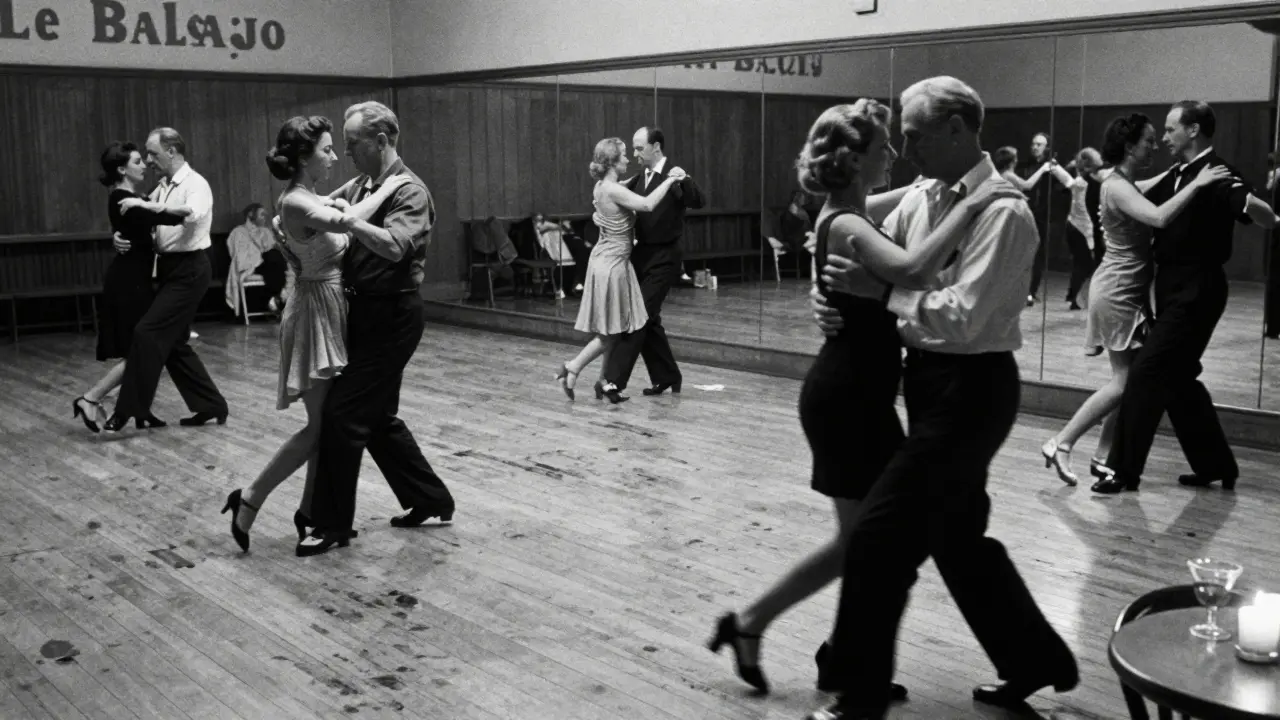
Le Balajo is Paris’s oldest continuously operating dance hall. Open since 1922, it’s survived wars, revolutions, and changing trends. Today, it’s a shrine to Latin music. Every Wednesday, they host “Salsa Night,” and every Saturday, it’s “Latin All Night.” The band is local but plays like they’ve spent decades in Havana. The floor is wooden, worn smooth by decades of footsteps, and the mirrors along the walls make it feel like you’re dancing in a thousand places at once.
The music here is traditional-no fusion, no modern beats. Just pure salsa, bachata, and cha-cha-cha. The crowd leans older-40s to 70s-but don’t assume they’re slow. These are the people who taught the younger generation how to move. You’ll see couples who’ve been dancing together for 30 years, still leading and following with perfect timing.
It’s not flashy. No neon, no DJs, no Instagram filters. Just music, sweat, and history. The cover is €8, and they serve cheap wine in plastic cups. If you want to understand how salsa became part of Parisian culture, this is where it happened.
Le Petit Zinc
Smaller than the others, but just as intense. Le Petit Zinc is a basement bar in the 18th arrondissement, near Montmartre. It’s not on most maps. You’ll find it by the sound of congas echoing down the alley. The space is tiny-barely 20 people can dance at once. But that’s the point. It’s intimate. You’ll feel every step, every breath, every shift in the rhythm.
The owner, Jean-Pierre, is a former dancer from Martinique who moved to Paris in 1985. He books only live musicians who play by ear, not sheet music. The setlist changes every night. Sometimes it’s merengue. Sometimes it’s afro-Cuban jazz. You never know what you’ll get, but you’ll always dance.
There’s no class here. No structured lessons. Just people who love the music. Come alone. Talk to someone. Ask them to dance. No one says no. The drinks are cheap, the air is thick with incense, and by the end of the night, you’ll feel like you’ve known everyone for years.
What to Wear and How to Prepare
You don’t need to buy expensive dance shoes. A pair of smooth-soled loafers or ballet flats works fine. Avoid sneakers-they grip too much. Avoid heels unless you’re experienced. Most clubs have a no-slip policy, so if your shoes leave marks on the floor, you’ll be asked to change.
Wear something comfortable. Light fabrics. No heavy coats. You’ll sweat. Bring a small towel and a change of shirt if you’re planning to go out after. Most places don’t have lockers, so keep your bag close.
Don’t worry if you don’t know the steps. Everyone started somewhere. The best thing you can do is watch. Stand near the edge of the floor and observe how people lead and follow. Notice how they use their shoulders, how they pause before a turn. Then try. Even if you mess up. Everyone remembers their first time.
When to Go
Salsa nights in Paris are busiest on Friday and Saturday. If you want to dance without pushing through a crowd, go on Tuesday or Wednesday. That’s when the locals come, the energy is high, and the instructors are more available.
Arrive by 9 p.m. for classes. If you skip the lesson, show up by 10:30 p.m. to get a good spot. Most clubs fill up by 11:30 p.m. The music doesn’t stop until 2 or 3 a.m., but the real magic happens between midnight and 1:30 a.m.-when the crowd is fully warmed up, the band is in sync, and the floor feels like it’s alive.
Why This Matters
Paris didn’t become a Latin dance capital by accident. It happened because people showed up, kept coming, and refused to let it fade. These clubs aren’t just places to dance. They’re communities. They’re where immigrants found belonging, where locals discovered new rhythms, and where strangers became friends over a shared love of music.
If you come here just to check off a bucket list, you’ll miss it. But if you come to move, to feel, to be part of something real-you’ll leave with more than a story. You’ll leave with a beat in your chest that won’t quit.
Do I need to know how to dance salsa before going to these clubs?
No. Most of these venues offer free beginner lessons before the main dance starts. La Clandestine and La Belle Équipe have regular classes, and the staff are used to helping newcomers. Even if you’ve never danced before, you’ll find someone willing to guide you. The key is to show up, be open, and don’t overthink it.
Are these places safe for solo travelers?
Yes. These clubs are well-known, well-lit, and have a strong sense of community. The crowd is mostly locals who’ve been coming for years, and they look out for each other. Avoid walking alone late at night in unfamiliar areas, but the clubs themselves are safe. Most are within walking distance of metro stops, and taxis are easy to find.
Is there a dress code?
No strict dress code, but most people dress casually stylish-think jeans, nice tops, or light dresses. Avoid sportswear, flip-flops, or heavy boots. Shoes matter more than clothes-smooth soles help you move safely. If you’re unsure, just copy what others are wearing.
Can I bring my own drinks?
No. All venues have bars and don’t allow outside alcohol. Prices are fair-€6 to €8 for a cocktail or glass of wine. Some places offer drink specials during lessons or early in the evening. You’re better off enjoying what they serve-it’s part of the experience.
Are there any Latin dance studios in Paris I should try before going out?
Yes, if you want to build confidence. Studios like Salsa Paris and La Compagnie du Mouvement offer drop-in classes for all levels. They’re not required, but they help. Many dancers who go to clubs regularly also take weekly lessons. You don’t need to be perfect-just ready to move.
What’s the best time of year to visit for Latin nightlife?
Late spring to early fall (May to September) is ideal. The weather is warm, outdoor spaces like La Belle Équipe’s rooftop are open, and more bands tour Europe during these months. But the clubs stay open year-round. Winter nights are quieter, but the energy is just as real.
What’s Next?
If you loved the clubs, try a salsa festival. Paris hosts the Festival de Salsa every July, with workshops, competitions, and all-night parties across three venues. Or book a weekend trip to Lyon or Marseille-both have thriving Latin scenes too. But start here. Dance where the music lives. Not where it’s sold.