

Twenty years ago, finding an escort in London meant flipping through a dusty phone book, making a nervous call, and hoping the person on the other end was who they claimed to be. Today, it’s a few taps on a smartphone. The escort business in London hasn’t just adapted to technology-it’s been completely rebuilt by it. From secure apps to encrypted messaging, AI-driven matching, and digital payment systems, tech has turned what was once a hidden, risky trade into a streamlined, on-demand service. But this shift hasn’t just made things easier-it’s changed who’s involved, how safety works, and what clients actually expect.
The Rise of the Digital Booking Platform
Most escorts in London now operate through dedicated platforms like OnlyFans, MyEx.com, or niche apps like EscortList and LondonLadies. These aren’t just websites-they’re full-service marketplaces. Profiles include verified photos, detailed bios, pricing tiers, availability calendars, and even client reviews. Some platforms use AI to recommend matches based on location, preferences, and past bookings. A client in Soho can scroll through 20 profiles in under a minute, filter by ethnicity, language spoken, or whether the escort offers outcalls, and book a session for later that night-all without speaking to anyone directly.
This has lowered the barrier to entry. Women who never considered working in the industry now do, thanks to the anonymity and control these platforms offer. No more dealing with pimps or agencies taking 50% or more. Many escorts keep 80-95% of their earnings. One 28-year-old former office worker in Camden told a local journalist in 2024 that she made more in one month working part-time through an app than she did in six months at her old job. She never leaves her flat. Clients come to her. She screens them with ID verification tools built into the app.
Security Has Become a Feature, Not an Afterthought
Technology didn’t just make booking easier-it made it safer. Many platforms now require two-factor authentication, real-time location sharing with trusted contacts, and panic buttons that alert emergency services and send the escort’s last known location. Some apps integrate with UK police databases to flag known offenders. One platform, SafeEscort London, launched in 2023 and now has over 12,000 registered users. It automatically checks a client’s phone number against a private list of banned individuals and blocks anyone with a history of violence or non-payment.
Escorts also use burner phones, encrypted apps like Signal or Telegram, and virtual numbers to protect their real identities. A common practice now is to use a separate email and phone number just for work. Some even use AI voice changers during initial calls to mask their natural voice. These aren’t paranoid habits-they’re survival tools. In 2024, a Metropolitan Police report showed that incidents of violence against escorts in London dropped by 37% since 2020, a decline directly linked to the adoption of digital safety features.
Payment Systems Have Eliminated Cash
Cash used to be the only option. Now, it’s rare. Most transactions happen through digital wallets, cryptocurrency, or direct bank transfers. Platforms like Stripe and PayPal are used discreetly, but many escorts prefer crypto-especially Monero and Bitcoin-because it’s untraceable. A client might pay £300 in Monero, which converts instantly to GBP in the escort’s wallet. No receipts. No chargebacks. No risk of fraud.
Some platforms even offer automated invoicing. After a session ends, the system sends a payment request. If the client doesn’t pay within 24 hours, the escort’s profile is temporarily suspended until payment clears. This system has cut non-payment disputes by over 80%. One escort in Kensington said she used to lose £1,000 a month to no-shows and no-payers. Now, she rarely loses a pound.
AI Is Changing How Clients Are Matched
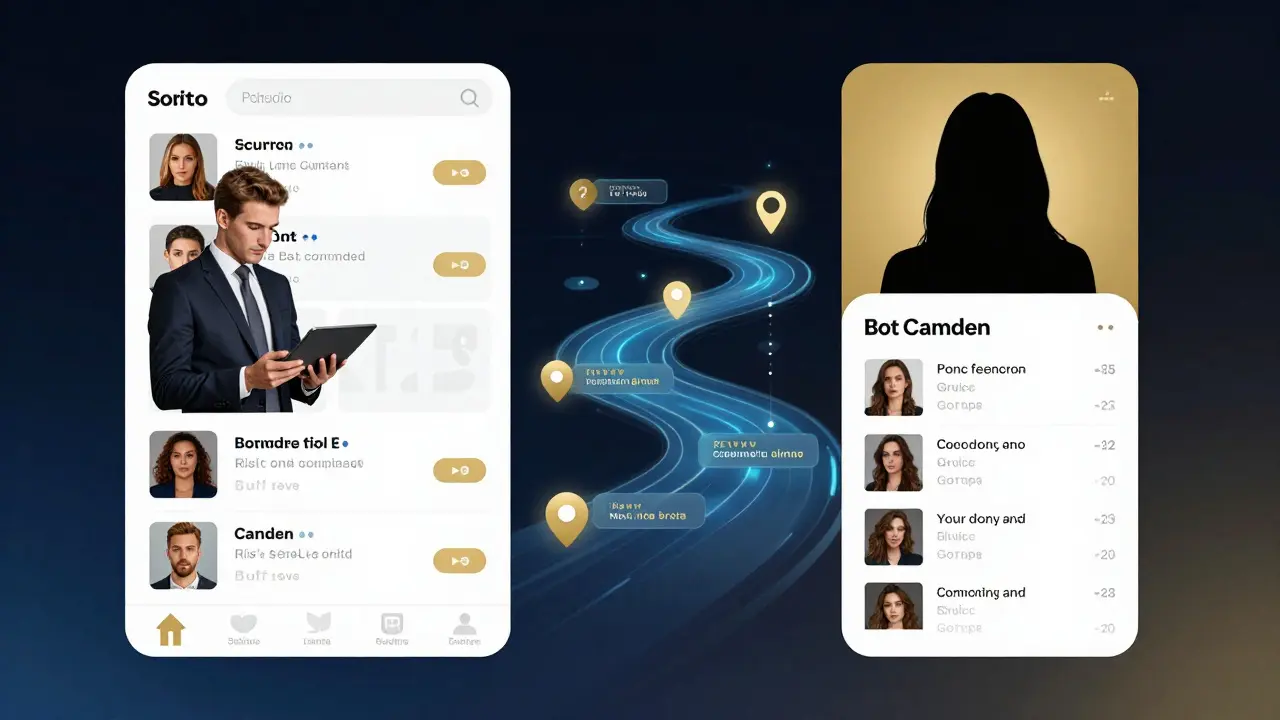
It’s not just about filtering profiles anymore. AI now predicts what kind of experience a client is looking for. If someone frequently books escorts who speak fluent French and offer dinner dates, the algorithm starts suggesting profiles that match that pattern-even if the escort hasn’t listed “French-speaking” as a keyword. The system learns from behavior, not just tags.
Some platforms even use sentiment analysis on past client reviews to recommend escorts who are good at emotional connection, not just physical intimacy. One platform, CompanionMatch, found that clients who booked based on AI recommendations stayed with the same escort 4.3 times longer than those who chose randomly. The tech isn’t perfect-it’s still learning-but it’s reshaping expectations. Clients now want more than sex. They want companionship, conversation, and consistency. The tech delivers that.
Marketing Has Gone Fully Digital
Word of mouth used to be the main way escorts got clients. Now, it’s Instagram, TikTok, and private Discord servers. Escorts build personal brands. They post lifestyle content-coffee in Notting Hill, walks in Hyde Park, weekend getaways-that subtly signals availability without breaking any laws. They use hashtags like #LondonCompanion or #PrivateLondonEvening. Their profiles look like those of influencers, not service providers.
Some even hire digital marketers to manage their social media. One 32-year-old escort in Chelsea spends £800 a month on targeted Facebook ads that reach men aged 35-55 in Zone 1-3 of London. Her conversion rate? 18%. That’s higher than most local restaurants. She doesn’t need a website. Her Instagram is her storefront.
The New Challenges
It’s not all smooth sailing. The same tech that empowers escorts also makes them more visible to law enforcement and media scrutiny. In 2025, a new UK law allowed authorities to request data from escort platforms if they suspect human trafficking. Some platforms now log every login, message, and payment. While most escorts are independent and legal, the line between consensual work and exploitation has blurred in the eyes of regulators.
There’s also a growing divide between tech-savvy escorts and those who still rely on older methods. Older women, especially those over 50, often struggle with apps and digital payments. Many have left the industry because they can’t keep up. Meanwhile, younger women, often in their 20s and 30s, are thriving-some earning over £10,000 a month.
Another issue? Over-saturation. With hundreds of new escorts joining platforms every week, competition has spiked. Prices have dropped in some areas. A session that once cost £250 now often goes for £150-180. To stand out, escorts now offer add-ons: massage, language lessons, even virtual dates via Zoom.
What’s Next?
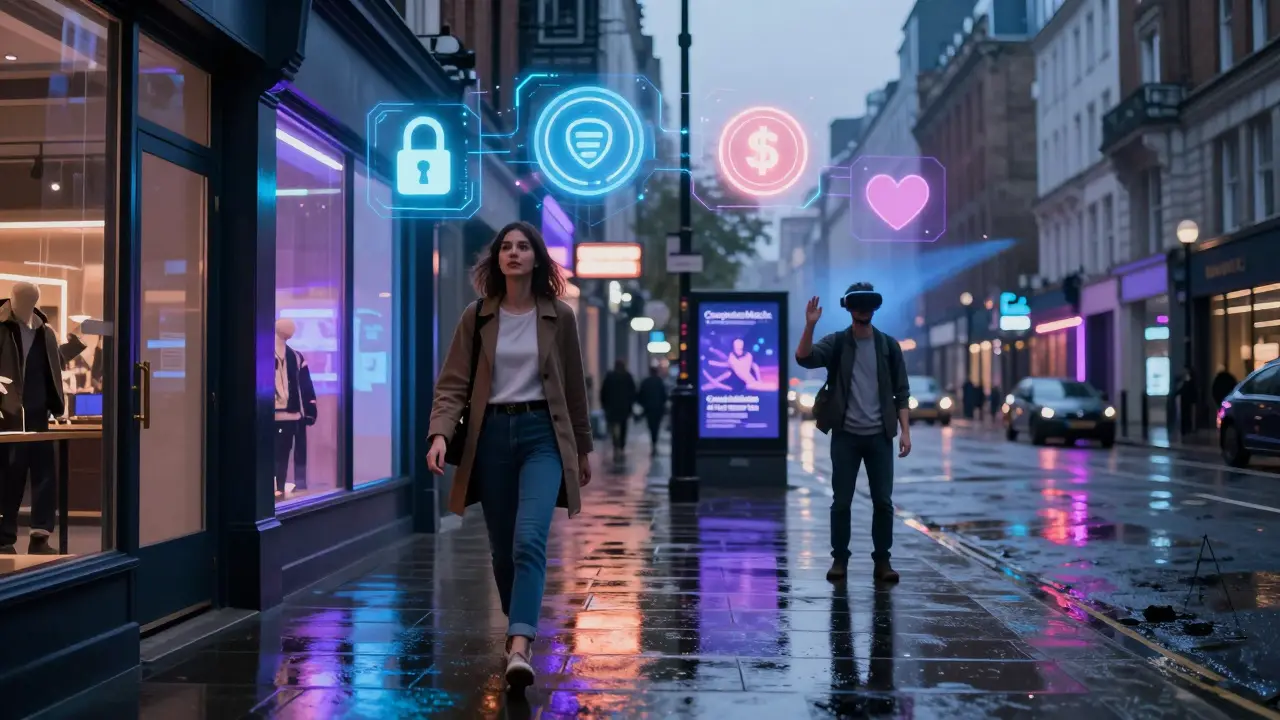
The next leap? Virtual reality companionship. Startups in London are testing VR experiences where clients can interact with AI-generated escorts in immersive environments. These aren’t meant to replace real people-they’re a gateway. Many clients who try VR end up booking real sessions. It’s a funnel, not a replacement.
Blockchain-based contracts are also being tested. Imagine signing a digital agreement before a meeting-terms, duration, boundaries, payment-all stored on a public ledger. No one can change it. Both parties are protected. It’s still experimental, but early adopters say it’s the future.
Technology hasn’t made the escort business in London less controversial. But it has made it more transparent, more efficient, and for many, safer. The women who work in it now have more control than ever before. They set their own hours, their own prices, and their own boundaries. The old model-hidden, dangerous, exploitative-is fading. The new one isn’t perfect, but it’s real. And it’s here to stay.