
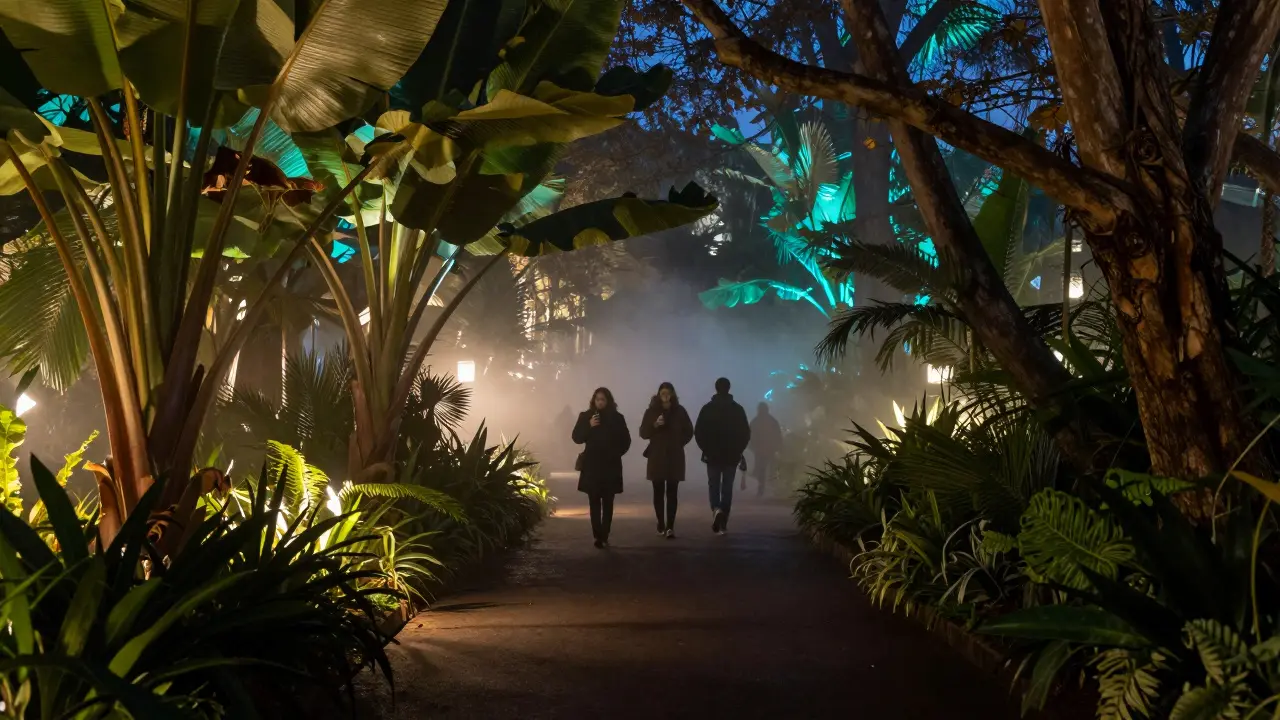
Most people think of neon lights and crowded clubs when they picture a London night out. That works for some, but if you find yourself craving fresh air alongside your evening drinks, the capital offers something different. Imagine sipping a cocktail while surrounded by ancient trees under the cover of darkness. This blend of urban energy and natural calm is exactly what defines nature-focused nightlifea growing trend where venues integrate outdoor spaces, plants, and sustainability into the experience. London might be concrete-heavy, but hidden pockets of greenery transform after sunset.
What Defines Nature-Friendly Nightlife?
This isn’t just about a patio with a potted plant. Real nature-centric nightlife involves immersion. You could be attending a guided astronomy event in a public park or dining in a venue built around living walls. The core idea is removing the barrier between the city’s pulse and the natural world. In recent years, establishments have started prioritizing locally sourced ingredients, renewable energy, and designs that mimic forest environments.
For many visitors, especially those traveling in early 2026, there is a shift toward wellness-oriented socializing. Instead of loud techno tracks drowning out conversation, background soundscapes often feature recorded bird songs or ambient wind. This appeals to travelers who want to unwind without feeling overstimulated. It creates a slower pace, allowing you to enjoy the surroundings even after the sun goes down.
Iconic Gardens That Stay Open Late
The Royal Botanic Gardens is a staple for any green enthusiast. While they close early in winter, their special illumination events change everything during peak seasons. During the summer months of June through September, the Kew Gardensa UNESCO World Heritage Site offering nighttime tours and light installations extends its hours significantly. You can walk through misty pathways illuminated by soft, colored lights designed to highlight tropical plants without harming nocturnal wildlife. It feels less like a theme park and more like a secret garden reveal.
Another option is Regent’s Parkone of the eight Royal Parks of London featuring vast woodlands and a zoo. In spring, particularly March and April, the park hosts festivals that spill into the evenings. These aren't typical fairs; they often feature silent discos or acoustic stages nestled deep among the trees. If you visit around May, the Great Ormond Street charity events sometimes allow extended access to certain woodland areas for guided twilight walks.
Eco-Conscious Bars and Speakeasies
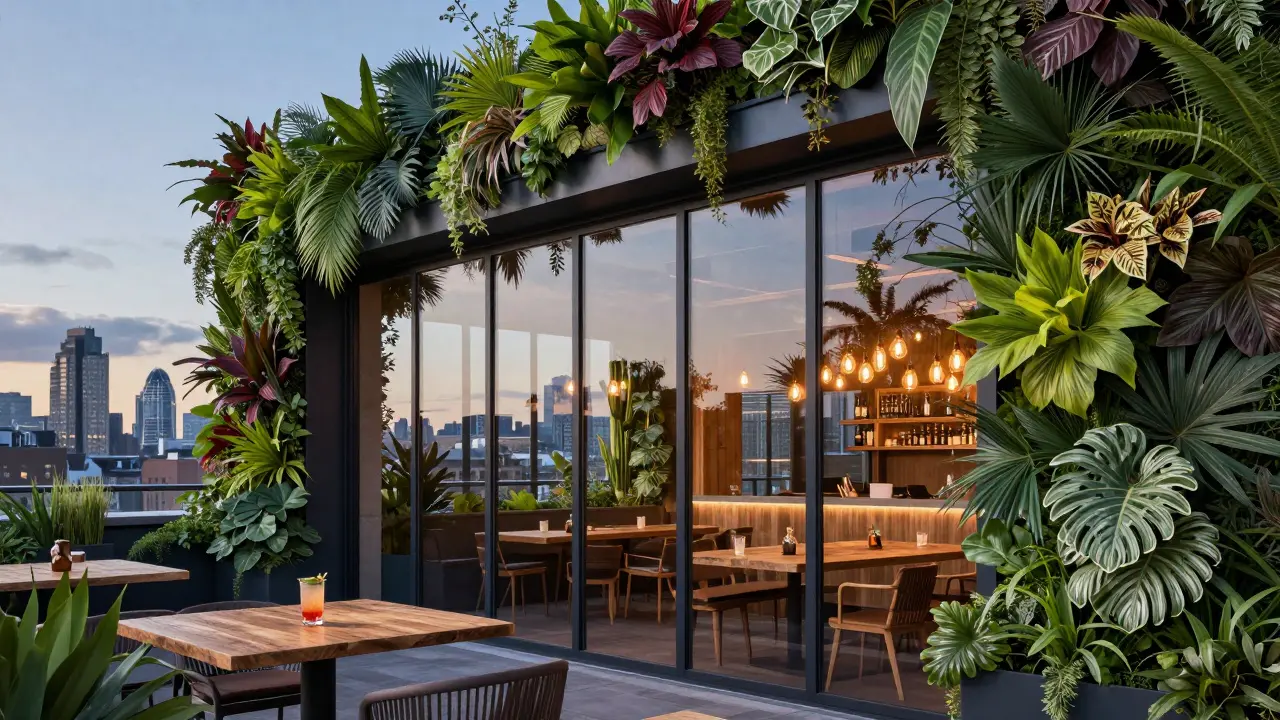
If you prefer a glass roof over an open sky, indoor bars with high environmental standards offer a cozy alternative. Several spots have earned recognition for using zero-waste policies. For example, the Greenwich Peninsulaan area known for modern architecture and waterfront dining venues hosts several rooftop spots that utilize vertical gardens. These structures help regulate temperature naturally, reducing the need for air conditioning while providing a lush backdrop for your drink.
In Soho, there are hidden doors leading to speakeasies that prioritize organic spirits. The menus often list the exact farm where ingredients were grown. This level of transparency builds trust. It tells you exactly where your consumption impacts the planet. Drinking a cocktail made with honey from local bees and herbs harvested on-site creates a tangible connection to the region’s agriculture.
Seasonal Night Events in Spring 2026
Timing matters. Since today is late March 2026, we are heading into peak spring bloom. Nighttime floral displays become popular attractions at various parks. Look out for the London Light Showan annual exhibition featuring art installations across multiple public sites. While it happens near Christmas, smaller scale versions occur in spring to celebrate the equinox. You might find temporary pop-up venues set up within Hampstead Heath. These are often organized by local community groups focused on conservation.
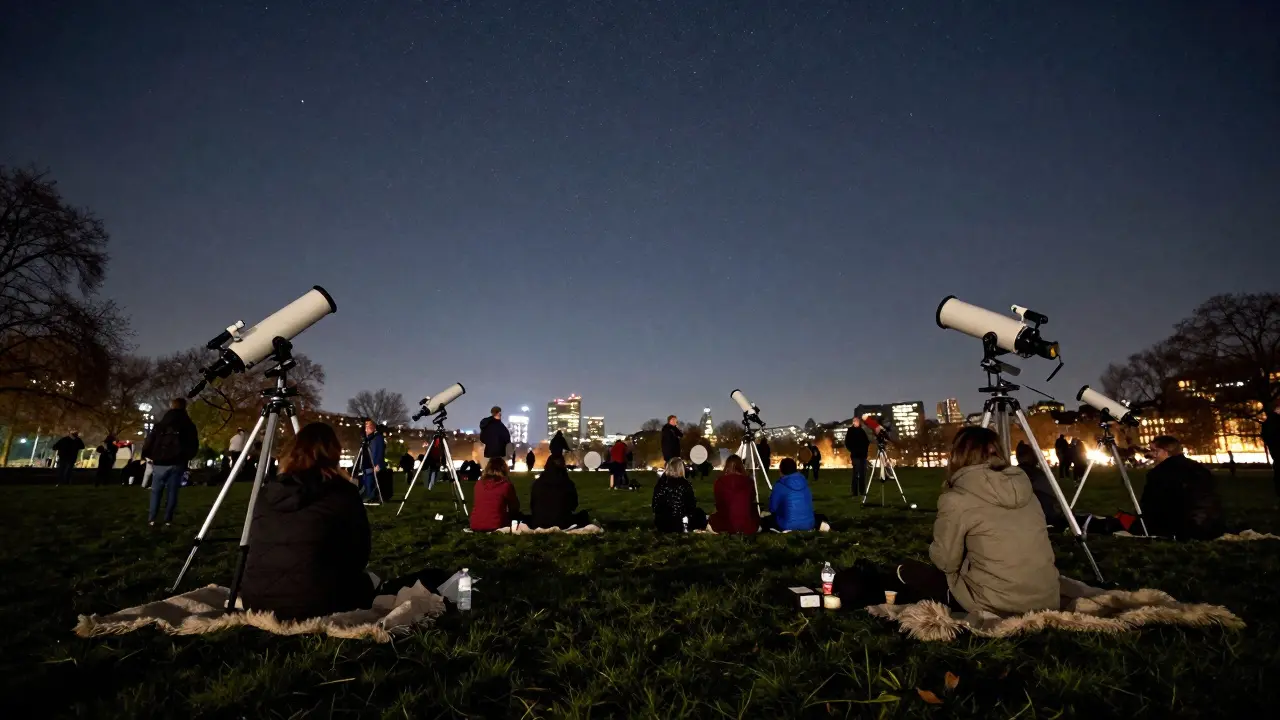
Star parties are another highlight. Amateur astronomy groups frequently meet in Hyde Park or Greenwich Park during clear weather months. They bring large telescopes and offer viewing sessions that last until midnight. This combines education with leisure perfectly. You get to see Jupiter’s moons while sitting on a blanket rather than staring at phone screens.
Comparison of Venue Types
To help you decide where to spend your evening, here is a breakdown of the main categories available in the city. Each offers a different balance of comfort, nature exposure, and cost.
| Type | Atmosphere | Nature Factor | Cost Level |
|---|---|---|---|
| Royal Parks Events | Open, airy, communal | High (direct access) | Low to Free |
| Botanical Gardens | Magical, educational | Very High (curated flora) | Medium Ticket Price |
| Green Roofs | Urban chic, windy | Medium (views) | Higher Drinks Cost |
| Indoor Eco Bars | Cosy, intimate | Low (plants decor) | Medium Prices |
Practical Planning Tips
Getting around London at night when focusing on nature requires some planning. Public transport stops running around midnight on Sundays. If you attend an event in Richmond Park, check the last train schedules from Hounslow East or Kingston. Walking alone in isolated park areas after dark isn't always safe regardless of how beautiful the view looks. Stick to well-lit paths or book private guided tours which guarantee security escorts.
Weather changes quickly in London. Even in March, rain is possible. Many park events operate rain-or-shine, meaning wet grass and mud are part of the deal. Bring waterproof layers. Some indoor garden cafes provide ponchos. Checking the venue policy beforehand prevents discomfort ruining the vibe.
Dress codes vary wildly. A garden bar might require smart casual attire while a star-gazing meetup welcomes hiking boots. Always verify the entry requirements. Some exclusive eco-clubs enforce strict sustainable dress codes, banning fast fashion brands entirely to align with their ethos.
Safety and Etiquette Guidelines
When visiting public green spaces at night, leave nothing behind. The littering problem in UK parks is significant, and taking care not to add to it maintains the magic for future visitors. Respect wildlife nesting habits; many species nest during spring. Flash photography can disturb birds, so use natural light modes on your camera.
Noise discipline is crucial. Sound travels differently in dense foliage. Loud conversations can be annoyingly amplified. Keep your voice down, especially near residential borders of parks like Hampstead. Neighbors appreciate discretion from tourists enjoying the quiet.
Where to Book and Reserve
Most major events require advance tickets. Kew Gardens sells passes weeks ahead for popular light trails. Local council websites publish calendars for free walking tours. There are dedicated apps now that aggregate green-friendly events across the UK capital. Download these before arriving if you plan a long stay.
Smaller pop-ups might not list online. Follow accounts of independent eco-bar associations on social media for real-time updates. They often drop flash announcements for weekend pop-up market nights in unused community land plots.
Are there any free night options in parks?
Yes, many Royal Parks remain open 24 hours in spring. However, structured events like concerts usually charge entry fees. Basic walking is free, but amenities may close earlier.
Is it safe to walk in London parks at night?
Well-lit areas like Hyde Park are generally safe, but secluded woods pose risks. Avoid going alone late at night and stick to main promenades or group activities.
Do botanical gardens have food at night?
Specific events often include catering. Regular hours usually end early, but check the website for special dinners hosted within the conservatories.
What should I wear for an outdoor night event?
Wear warm layers and sturdy shoes. Temperatures drop significantly after sunset, and ground surfaces in parks can be uneven or damp.
Can I bring my own wine to park events?
Alcohol policies vary by zone. Most paid events sell alcohol, bringing outside drinks is often prohibited to manage liability and revenue.