
Most people think of Istanbul as mosques, bazaars, and the Bosphorus. But when the sun sets, the city transforms into something wilder, weirder, and way more alive. You won’t find it on tourist maps. You’ll hear it through whispers, see it in the flicker of a candle behind a locked door, or smell it in the smoke rising from a rooftop grill where strangers become friends by midnight.
Where the locals go after midnight
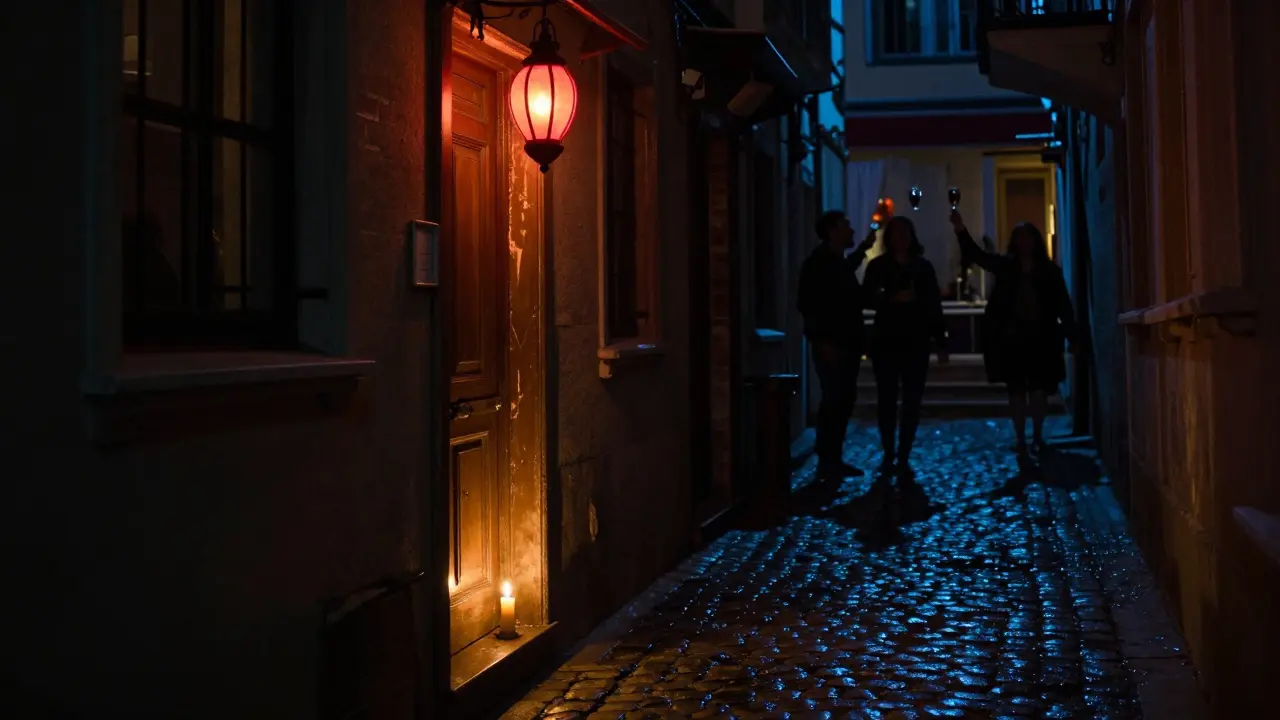
If you stick to the well-lit streets of Taksim or the Instagram spots in Kadıköy, you’ll miss the real pulse. The real Istanbul nightlife lives in the narrow alleys of Beyoğlu, especially around İstiklal Avenue’s backstreets. That’s where hidden bars hide behind unmarked doors. One spot, called Perili Köşk, is a 19th-century mansion turned speakeasy. No sign. Just a single red lantern. You need a password - and locals will give it to you if you ask the right way.
Another favorite is Bar 67, tucked under a staircase in Galata. It’s not fancy. No velvet ropes. Just a small room with mismatched chairs, vinyl records spinning old Turkish jazz, and a bartender who pours raki like it’s water. You’ll see engineers, poets, and retired sailors all talking over each other. No one cares if you don’t speak Turkish. They’ll just hand you a glass and point to the music.
The rooftop revolution
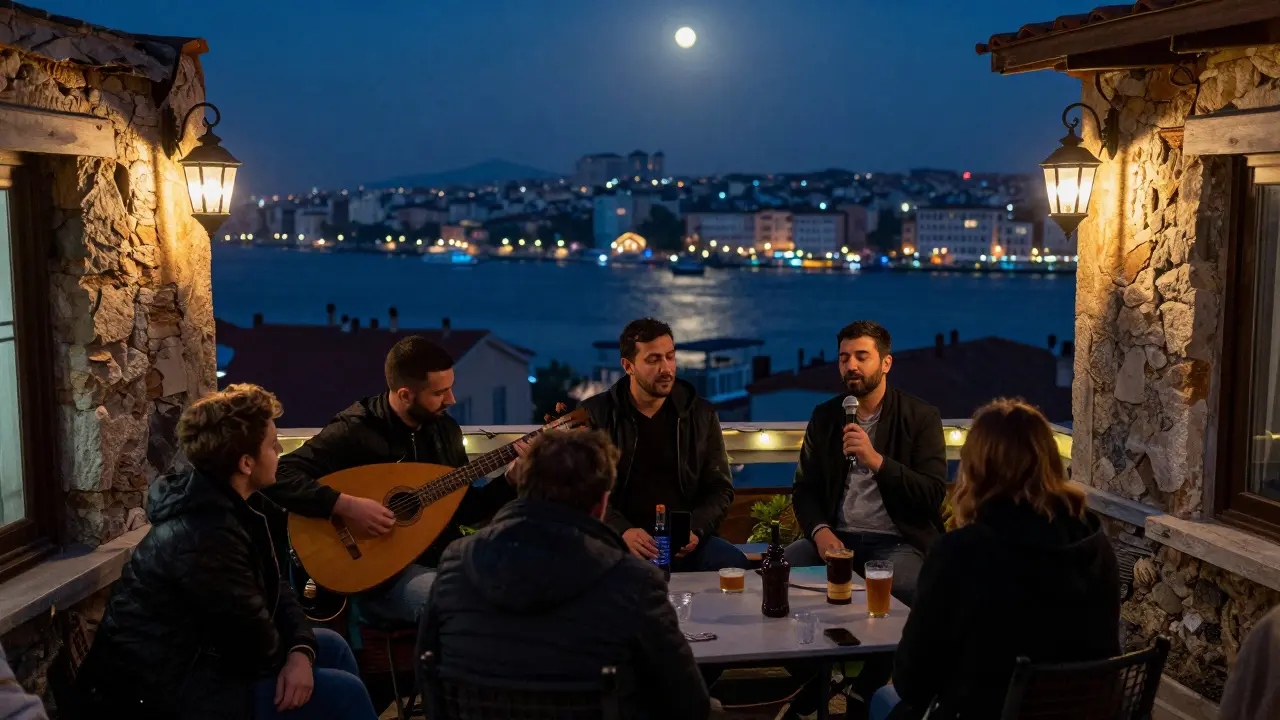
Most tourists think of the skyline from the Galata Tower. But the real view? It’s from a rooftop where no one’s taking photos. In Karaköy, Çiçek Pasajı used to be a flower market. Now, it’s a maze of tiny bars with outdoor terraces. The best one? Toplu. It’s not on Google Maps. You walk up a crumbling staircase, past a door that says ‘No Entry,’ and find yourself on a balcony overlooking the Golden Horn. The music is low. The drinks are cheap. And at 2 a.m., someone will start singing a Kurdish folk song - and everyone joins in.
Another rooftop gem is Bar 1908 in Nişantaşı. It’s quieter, more polished. But it’s still local. You’ll find professors from Boğaziçi University sipping gin tonics, debating politics while the city lights blink below. It’s not a club. It’s a living room with a view.
Clubs that don’t feel like clubs
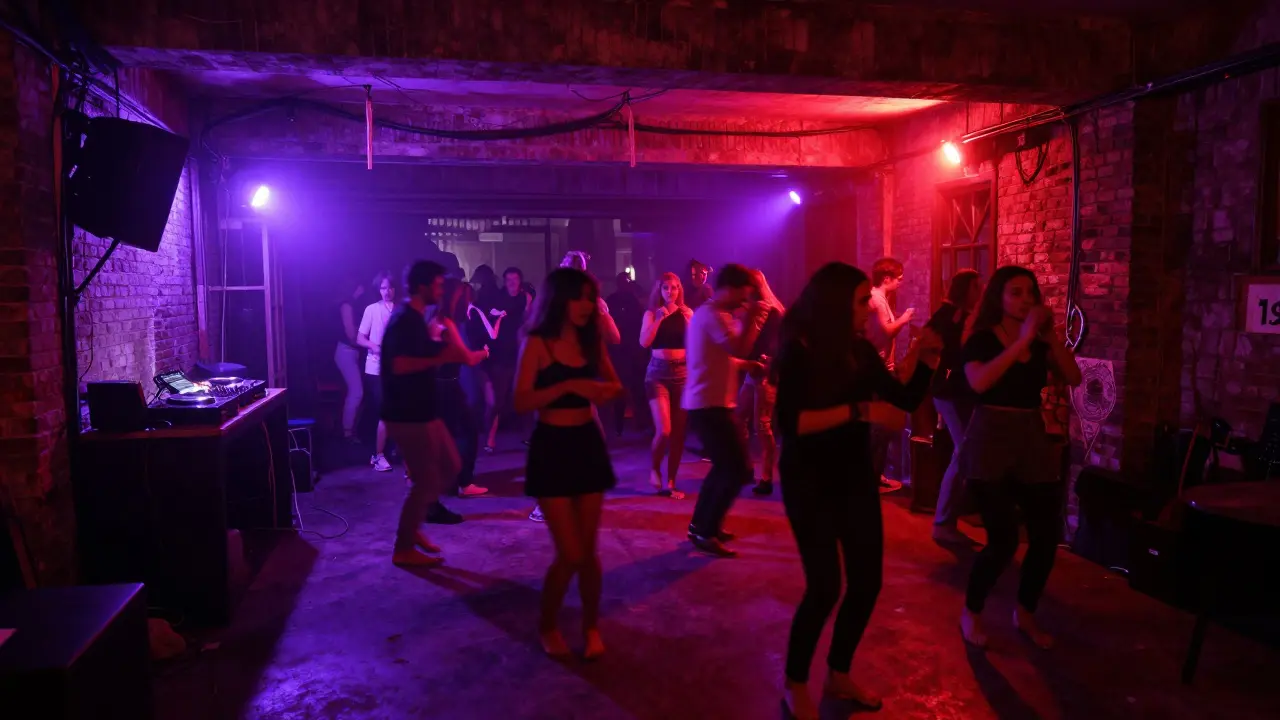
Istanbul’s club scene doesn’t follow the rules. You won’t find neon signs or bouncers checking IDs. Instead, you’ll find warehouses turned into underground venues. Karaköy Live is one. It’s a converted textile factory. No VIP section. No bottle service. Just a DJ spinning Turkish techno mixed with Anatolian folk samples. The crowd? Mostly 20-somethings in oversized jackets, dancing like no one’s watching - because no one is.
Then there’s Çıkmaz, which means ‘dead end’ in Turkish. It’s exactly that - a hidden basement under a bookshop in Beyoğlu. You need to text a number to get in. The door opens at 1 a.m. and shuts at 5. No cover charge. No drinks menu. Just a single bartender who asks, ‘What do you feel like tonight?’ and pulls out a bottle based on your mood. One night, it was a 1970s Turkish wine. Another, it was homemade plum brandy.
Food that keeps the night going
Nightlife in Istanbul isn’t just about drinks. It’s about what you eat after the music ends. At 4 a.m., the city’s best kebabs aren’t in tourist zones. They’re in İsmail Ağa, a tiny shop near the Galata Bridge. The owner, a man in his 60s with grease-stained aprons, has been making lamb doner since 1982. He doesn’t take cards. He doesn’t have a menu. Just ask for ‘sucuk şiş’ and he’ll hand you a skewer wrapped in warm flatbread with a side of pickled peppers. It costs 35 Turkish lira. Worth every lira.
Or try Çiya Sofrası in Kadıköy. Open until 3 a.m. on weekends. It’s not a bar. It’s a home kitchen turned restaurant. You’ll find dishes like eggplant with walnuts, spicy lamb stew, and stuffed grape leaves. No one rushes you. You sit at a long wooden table with strangers. Someone always brings out a plate of baklava for everyone. No one knows why. It just happens.
Music that moves the city
Don’t expect EDM festivals. Istanbul’s nightlife is shaped by its history. You’ll hear bağlama lutes in alleyways. You’ll hear jazz fused with Sufi chants in basements. At Boğaziçi Jazz Club, a small room behind a university building, local musicians play original compositions that blend Ottoman scales with modern improvisation. The crowd is quiet. You don’t clap. You just listen.
On Friday nights, head to Asmali Mescit in Beyoğlu. It’s a former mosque turned live music venue. The walls still have prayer niches. The ceiling still has old tilework. But now, it’s filled with young people dancing to Turkish hip-hop mixed with traditional dervish rhythms. The energy is electric. No one’s there to show off. Everyone’s there to feel something real.
What not to do
Don’t walk alone after 3 a.m. in areas you don’t know. Istanbul is safe, but nightlife zones get crowded - and sometimes chaotic. Stick to well-lit streets. If someone offers you a drink from a stranger, say no. It’s not about suspicion. It’s about respect. Locals know the rules. Tourists don’t.
Don’t expect 24/7 partying. Istanbul doesn’t work like Berlin or London. Bars close by 5 a.m. Clubs shut by 6. The city sleeps. And that’s part of the charm. You don’t stay out because you have to. You stay out because you don’t want to leave.
When to go
The best months? April to June, and September to October. Summer is too hot. Winter is too cold. But in spring and fall, the air is crisp, the nights are long, and the energy is perfect. Weekends are packed. But if you go on a Tuesday or Wednesday, you’ll find locals who’ve been doing this for years - and they’ll show you the places no guidebook mentions.
Final tip
Leave your phone in your pocket. Seriously. The best moments in Istanbul’s nightlife don’t happen on camera. They happen when you’re laughing with someone you met 20 minutes ago, drinking raki under a string of fairy lights, listening to a stranger play the oud like he’s telling a story no one else remembers.
You won’t find this on TikTok. You won’t find it in travel blogs. You’ll find it when you stop looking for the perfect shot - and just let the night take you.
Is Istanbul nightlife safe for solo travelers?
Yes, but with caution. Istanbul is generally safe, especially in nightlife areas like Beyoğlu and Kadıköy. Stick to well-lit streets after midnight, avoid isolated alleys, and don’t accept drinks from strangers. Locals are welcoming, but like any big city, petty theft can happen. Keep your valuables hidden, and trust your gut.
What’s the legal drinking age in Istanbul?
The legal drinking age in Turkey is 18. You’ll be asked for ID at most bars and clubs, even if you look older. Carry your passport or a Turkish-issued ID. Some places, especially hidden spots, may not check - but don’t assume. It’s better to be prepared.
Do I need to speak Turkish to enjoy Istanbul’s nightlife?
No, but it helps. Most bartenders and club staff in popular areas speak basic English. But the real magic happens in places where no one speaks English at all. A simple ‘Teşekkür ederim’ (thank you) or ‘Ne var?’ (What’s up?) goes a long way. Locals appreciate the effort - and often reward it with extra drinks or a secret tip.
Are there any dress codes for Istanbul clubs?
Most clubs don’t have strict dress codes. Jeans and a clean shirt are fine. High heels and suits are rare - even at fancier spots. The vibe is casual. You’ll see people in hoodies, boots, and vintage jackets. The only rule? No flip-flops or sportswear in upscale lounges. Beyond that, wear what makes you feel comfortable.
How late do places stay open in Istanbul?
Most bars close between 3 a.m. and 5 a.m. Clubs usually shut by 6 a.m. Some rooftop lounges and 24-hour cafes stay open longer, especially on weekends. But don’t expect all-night parties like in Ibiza or New York. Istanbul’s nightlife is more about slow, lingering moments than nonstop dancing. The city winds down quietly - and that’s part of its beauty.