
When the sun sets over the Bosphorus, Istanbul doesn’t sleep-it transforms. One minute you’re sipping tea in a centuries-old çay bahçesi, the next you’re dancing to live ney music in a basement club where Ottoman poetry meets electronic beats. This city doesn’t just have nightlife; it breathes it, layers it, and reinvents it every night. You won’t find cookie-cutter clubs here. Instead, you’ll find hidden courtyards where jazz musicians play for locals, rooftop lounges with skyline views that rival Dubai’s, and basement bars where the only sign is a single red lantern hanging above a narrow alley.
Where the Old City Comes Alive After Dark
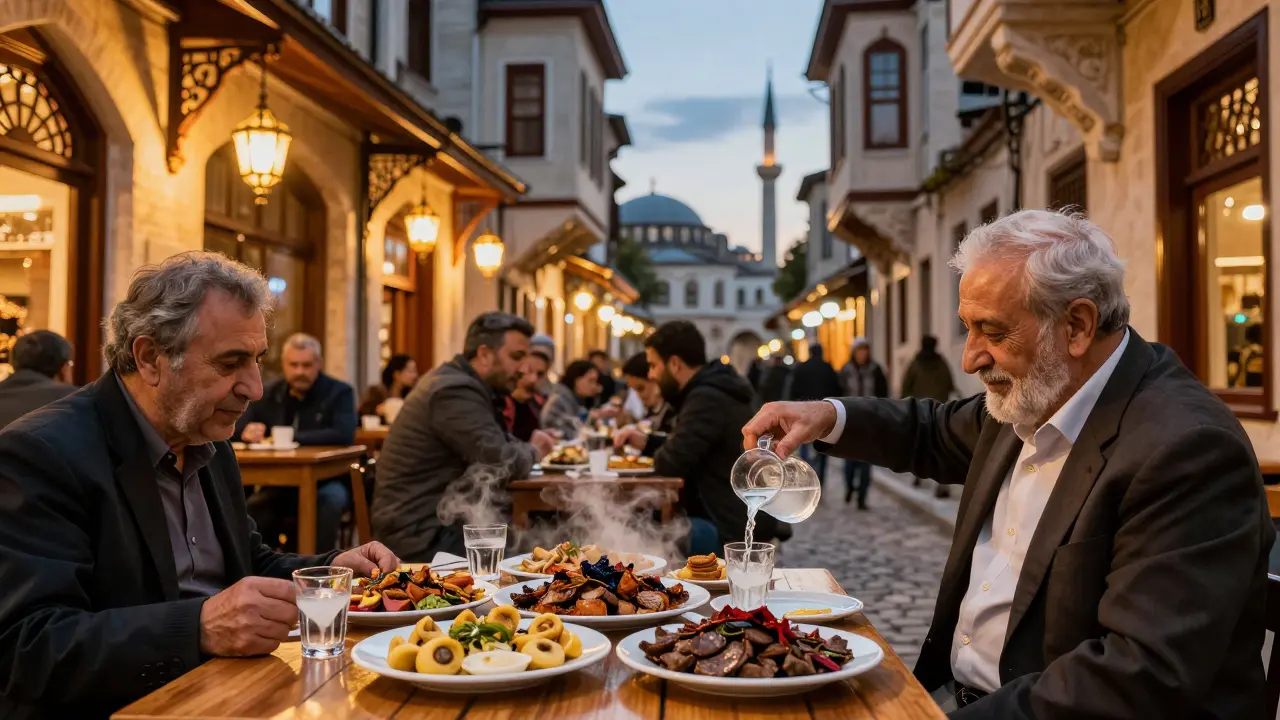
Most tourists think of Istanbul’s historic peninsula-Sultanahmet, Hagia Sophia, the Blue Mosque-as a daytime destination. But after 9 p.m., the narrow streets of Fatih and Eminönü wake up in unexpected ways. In the alley behind the Spice Bazaar, small meyhanes open their doors. These aren’t tourist traps with loud DJs and overpriced rakı. These are places where fishermen, shopkeepers, and retired professors gather around wooden tables, sharing meze, stories, and glasses of clear grape brandy that turns milky when you add water.
At Çiya Sofrası in Kadıköy, the kitchen stays open until 2 a.m., serving regional Anatolian dishes you won’t find anywhere else: grilled lamb liver with pomegranate molasses, stuffed quince, and spicy walnut paste with fresh bread. The crowd? Locals who’ve been coming for 20 years. No menus. Just a single chalkboard with tonight’s specials. You ask what’s good. They point. You eat. You stay.
Beyoğlu: The Heartbeat of Modern Istanbul
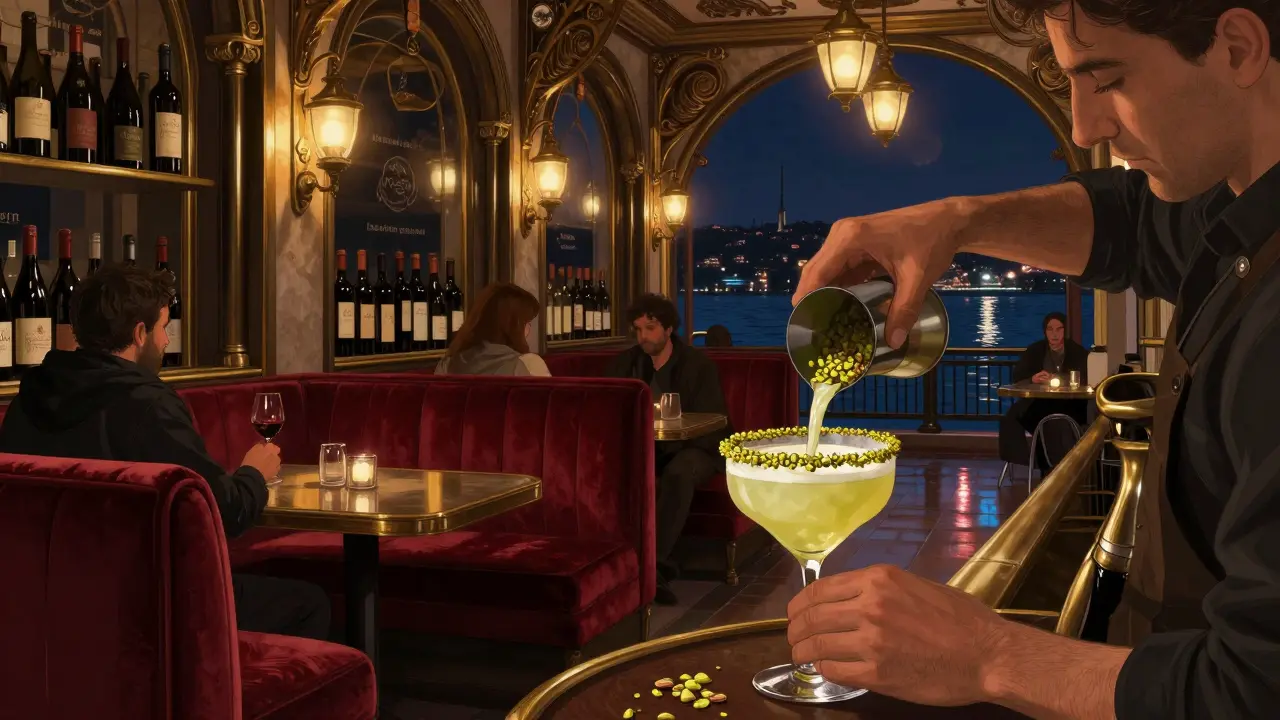
If you want to feel Istanbul’s pulse, head to Beyoğlu. İstiklal Avenue is packed with people even at midnight, but the real magic happens in the side streets. Walk down Çiçek Pasajı-once a 19th-century wine arcade-and you’ll find old-fashioned taverns with velvet booths and brass fixtures. Now, they’ve been reborn as craft cocktail bars where bartenders use Turkish herbs like sumac, za’atar, and mastic to make drinks that taste like history.
At Bar 1914, the signature cocktail is called ‘Ottoman Mist’-gin infused with rosewater, black tea, and a drop of honey from the Black Sea coast. It’s served in a glass rimmed with crushed pistachio. The music? A mix of Turkish folk remixes and ambient electronica. No one’s shouting. No one’s taking selfies. People just sit, sip, and listen.
Down the street, Reina still draws crowds, but not the ones you expect. It’s not just about the celebrity sightings anymore. Locals come here for the live bands-Kurdish folk-rock, Sufi trance fusion, or a Turkish jazz quartet that plays until 4 a.m. The terrace overlooks the Bosphorus, and if you’re lucky, you’ll catch a ferry passing by, its lights reflecting on the water like floating stars.
Underground Scenes and Secret Spots
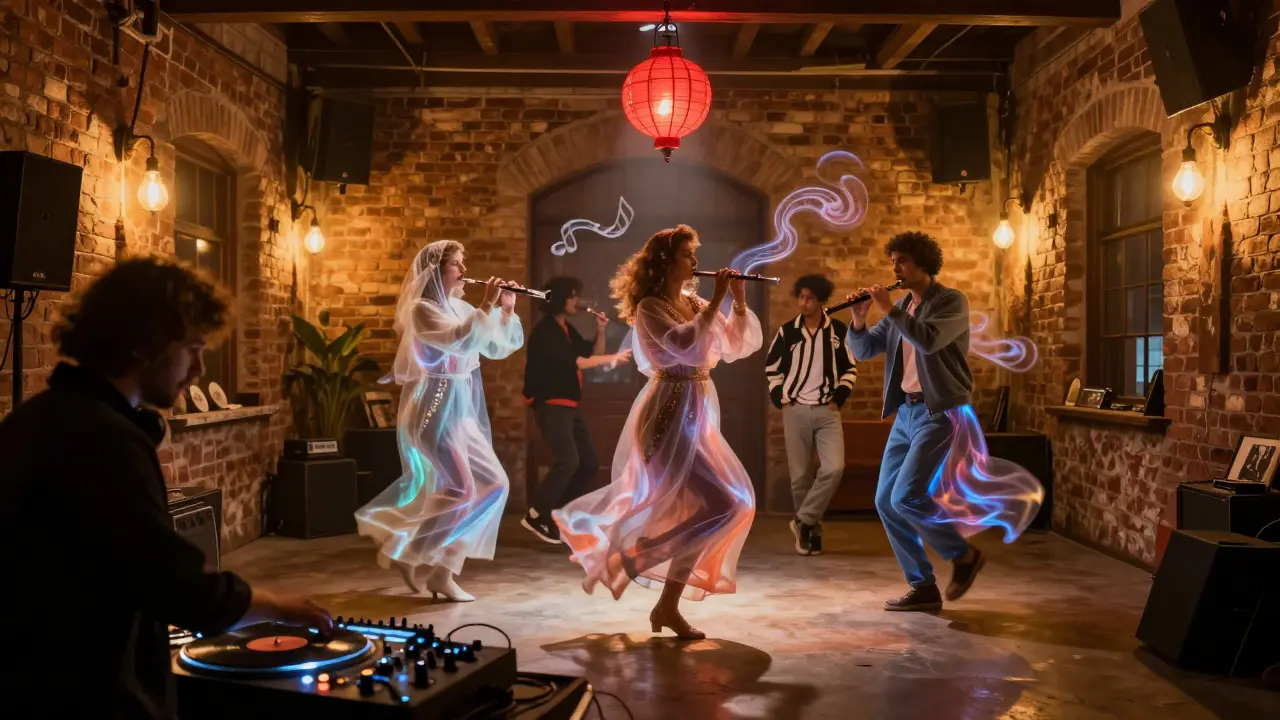
Istanbul’s nightlife isn’t just about the famous names. Some of the best experiences are hidden. Look for unmarked doors, coded phrases, or QR codes on lampposts. One night, you might find yourself in a converted Ottoman warehouse in Karaköy where a DJ plays only vinyl records from the 1970s Turkish pop scene. Another night, you could stumble into a rooftop garden in Nişantaşı where poets read original work in Turkish, Arabic, and Kurdish under string lights.
In the Taksim area, Bar 101 doesn’t have a sign. You need to text a number to get the address. Inside, it’s all exposed brick, low lighting, and a sound system that plays everything from Turkish punk to experimental techno. The bouncer doesn’t check IDs-he asks what kind of music you like. If you say ‘something that makes you think,’ you’re in.
These places aren’t on Google Maps. They’re passed by word of mouth. Locals know them. Tourists who stay longer find them. And once you do, you’ll understand why Istanbul’s nightlife feels like a secret you’re meant to keep.
Drinks That Tell a Story
You can’t talk about Istanbul nightlife without talking about what’s in the glass. Rakı is the national drink, but it’s not just alcohol-it’s ritual. It’s served with ice, water, and a plate of meze. The transformation from clear to cloudy isn’t just visual; it’s symbolic. The drink becomes something shared, something slow. You don’t gulp rakı. You linger with it.
But the scene has evolved. Craft distilleries are popping up across the city. İstanbul Rakısı is now made with wild thyme from the Taurus Mountains. Yeni Rakı uses figs and elderflower. There’s even a gin made with mastic resin from Chios, imported by a Turkish entrepreneur who spent years perfecting the recipe.
Wine is no longer an afterthought. The Black Sea region produces crisp whites like Öküzgözü and Boğazkere. In the upscale district of Nişantaşı, Wine Lab offers tastings of 30 Turkish wines, paired with small plates designed by chefs from the Aegean coast. You’ll taste notes of dried apricot, smoked paprika, and sea salt-not just grapes.
When to Go and What to Avoid
Istanbul’s nightlife runs on its own rhythm. Clubs don’t really start until midnight. Restaurants serve until 3 a.m. But if you show up at 10 p.m., you’ll be the only one there. Locals don’t rush. They wait. They talk. They eat. Then they move.
Here’s what to avoid:
- Don’t go to bars with ‘Happy Hour’ signs in English. They’re built for tourists and charge triple.
- Avoid clubs that play only English pop music. They’re loud, overpriced, and miss the point of Istanbul’s culture.
- Don’t assume all nightlife is safe. Stick to well-lit streets in Beyoğlu, Karaköy, and Nişantaşı. Avoid isolated areas in Üsküdar or Kadıköy after 2 a.m. unless you know someone.
- Don’t expect late-night taxis to be cheap. Use BiTaksi or Uber. Hailing cabs on the street after midnight can be risky.
Best nights to go? Friday and Saturday. But if you want something real, go on a Wednesday. The crowds thin. The music gets better. The locals relax. And you might just end up in a 20-person circle, singing along to a 1980s Turkish rock ballad with strangers who become friends by sunrise.
It’s Not Just a Night Out-It’s a Cultural Experience
Istanbul’s nightlife isn’t about partying. It’s about connection. It’s about how a 70-year-old man in Fatih teaches you to properly sip rakı. It’s about how a young DJ in Karaköy blends a Sufi chant with a drum loop and makes it feel like the future. It’s about how a woman in Kadıköy opens her home for a poetry night and serves tea from a copper pot she inherited from her grandmother.
This city doesn’t erase its past. It wears it. And at night, when the call to prayer fades and the bass kicks in, you realize that tradition and modernity aren’t opposites here. They’re partners. One doesn’t overshadow the other. They dance together.
So if you come to Istanbul looking for clubs, you’ll find them. But if you come looking for meaning, for rhythm, for a place where time feels both ancient and alive-you’ll leave with more than memories. You’ll leave with a new way of seeing night.
Is Istanbul nightlife safe for tourists?
Yes, but with caution. Stick to well-known areas like Beyoğlu, Karaköy, Nişantaşı, and Kadıköy after dark. Avoid isolated streets, especially in Üsküdar or the outskirts of the Asian side. Use official ride apps like BiTaksi or Uber. Most locals are welcoming, but always trust your instincts. Don’t carry large amounts of cash, and keep your belongings close in crowded bars.
What’s the best time to start nightlife in Istanbul?
Don’t rush. Most locals don’t start until after 11 p.m. Dinner is at 9 or 10, then drinks begin. Clubs and bars fill up between midnight and 2 a.m. If you arrive at 9 p.m., you’ll be alone. Wait. Sip tea. Walk around. Let the city wake up with you.
Are there any dress codes for Istanbul clubs?
Most places are casual. Jeans and a nice shirt work fine. Upscale spots like Reina or W Istanbul may ask for smart-casual attire-no flip-flops, shorts, or tank tops. But there’s no strict dress code in most underground bars. Comfort and confidence matter more than labels.
Can you find English-speaking bartenders in Istanbul?
In tourist-heavy areas like İstiklal Avenue, yes. But in local favorites-like Çiya Sofrası, Bar 101, or hidden meyhanes in Fatih-you’ll likely find staff who speak little to no English. That’s part of the charm. Learn a few Turkish phrases: ‘Teşekkür ederim’ (thank you), ‘Bir şey değil’ (it’s nothing), ‘Lütfen’ (please). A little effort goes a long way.
Is there a curfew for nightlife in Istanbul?
No official curfew exists. Bars and clubs can stay open until 5 a.m. or later, depending on their license. Some close earlier due to noise complaints or local preferences. But unlike other cities, there’s no enforced shutdown. The night ends when the people decide it’s over.
What’s the difference between a meyhane and a bar?
A meyhane is a traditional Turkish tavern focused on food, drink, and conversation. It’s not about dancing or loud music-it’s about sharing meze, drinking rakı slowly, and talking for hours. A bar is more about drinks, ambiance, and music. In Istanbul, many places blend both: you can have a cocktail at one end and a plate of stuffed grape leaves at the other.
If you want to feel Istanbul’s soul, don’t just go out at night-stay out. Let the city guide you. Follow the music. Taste the food. Listen to the stories. The night here isn’t just entertainment. It’s the heartbeat of a city that refuses to choose between old and new. It holds both-and invites you to join the dance.